At-Home Dental Care vs. Professional Pet Dental Cleaning: What’s the Difference?
Dental care is one of the most overlooked aspects of pet health, but it’s just as important as proper nutrition, exercise, and regular vet visits. Both cats and dogs are prone to dental disease, and without proper care, small issues can quickly turn into serious health problems.
By age three, most dogs and cats show signs of periodontal (gum) disease. Dental disease doesn’t just cause bad breath; it can lead to pain, tooth loss, and even infections that affect the heart, liver, and kidneys. The good news? Dental problems are largely preventable with consistent care at home and routine professional dental cleanings.
At-home dental care is your first line of defense against plaque and tartar buildup. When done consistently, it significantly reduces the risk of dental disease.
What At-Home Dental Care Includes
1. Brushing Your Pet’s Teeth
Brushing is the gold standard of at-home dental care.
- How often? Ideally, brush your cat or dog’s teeth daily.
- If daily brushing isn’t possible, aim for at least 3–4 times per week.
Use a pet-specific toothbrush and toothpaste (never human toothpaste, which can be toxic to pets).
2. Dental Chews (Primarily for Dogs)
Dental chews help mechanically reduce plaque and tartar buildup.
- Best used daily or several times per week
- Choose products approved by veterinary dental organizations when possible
Cats are less likely to use dental chews, but some dental treats are formulated specifically for them.
3. Dental Diets
Some specially formulated kibble is designed to help scrape plaque off teeth as pets chew.
- May be recommended for pets prone to tartar buildup
- Should be discussed with your veterinarian
4. Water Additives and Oral Rinses
These can help reduce bacteria in the mouth but should not replace brushing.
At-home dental care for pets helps to reduce bad breath, prevent plaque build-up, and decrease the risk of gum disease between professional dental care. However, even the best at-home routine cannot fully replace professional dental cleanings.
How Often Should Pets Have Professional Cleanings?
Professional cleanings are the most effective way to prevent a variety of systemic health complications and diseases in pets, including periodontal disease, root abscesses, stomatitis in felines, and chronic pain. The ideal schedule depends on breed, size, age, and overall health.
Dogs:
- Most dogs need professional dental cleaning once per year
- Small breeds (like Yorkies, Chihuahuas, Dachshunds) often need cleanings every 6–12 months
- Larger breeds may only need cleanings every 1–2 years if at-home care is consistent
Cats:
- Most cats benefit from professional cleaning every 1–2 years
- Cats prone to dental disease may need cleanings annually
Your veterinarian will recommend a schedule based on your pet’s individual needs.
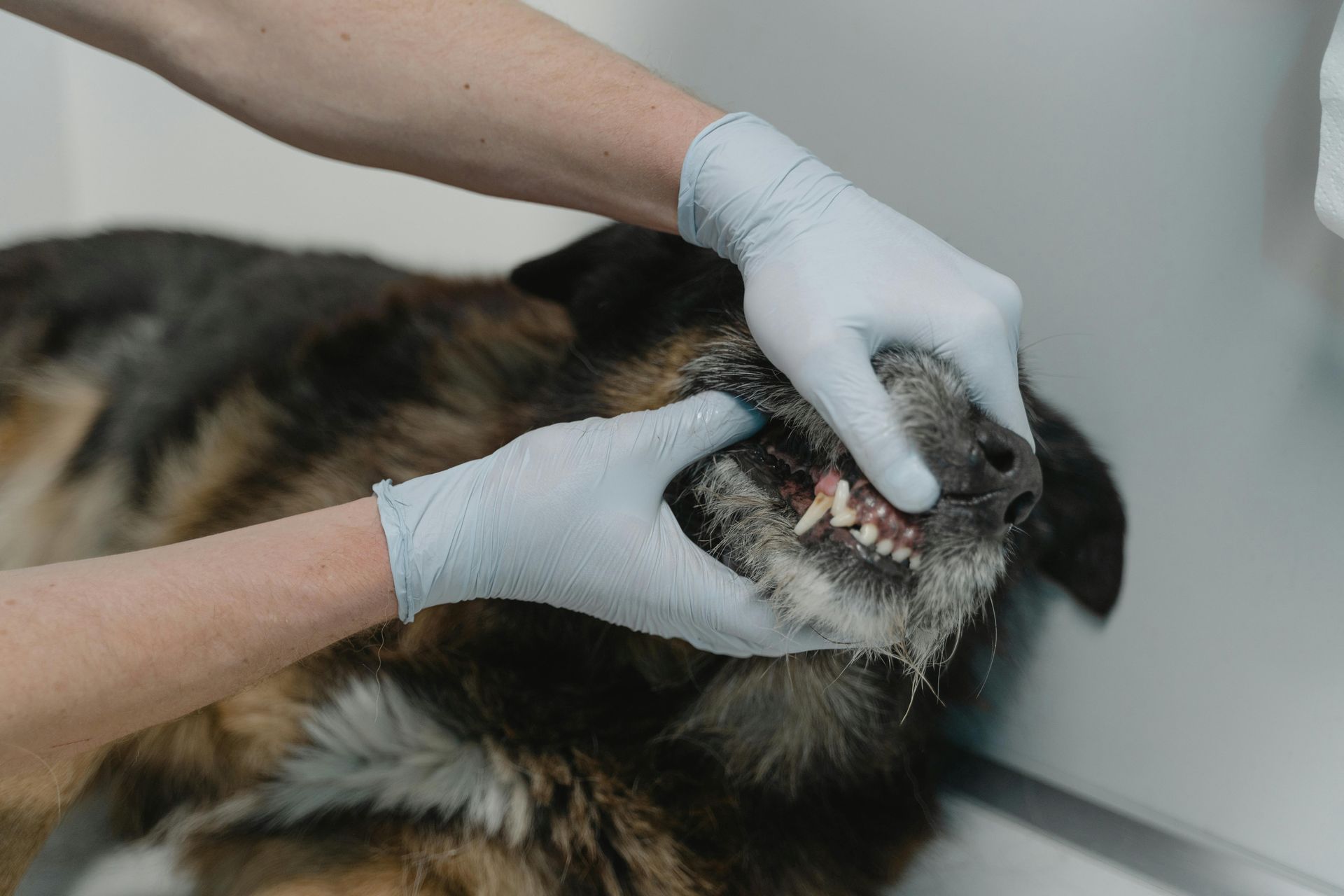
Professional pet dental care provides the added benefits of being able to clean below the gumline, remove hardened tartar, and detect potential disease or oral problems before they become bigger issues. It’s helpful to think of at-home pet dental care as routine maintenance, and professional pet dental care as a deep reset and necessary diagnostic process to ensure that your pet is receiving the dental care they need.
Contact Our Veterinary Clinic for Pet Dental Cleaning
Dental disease is one of the most common, but most preventable, health conditions in cats and dogs. Brushing your pet’s teeth may feel intimidating at first, but with patience and consistency, it becomes a simple part of your routine. At-home dental care can help maintain oral health for day-to-day needs, but it's important to keep in mind that the only way to fully protect your pet's teeth is through professional cleaning services at a veterinary office. Professional dental cleaning ensures deep, thorough care that protects your pet from serious disease.
Our veterinary clinic provides dental cleaning and preventative pet care to keep your pets healthy and happy. For pet wellness exams, vaccinations, and other preventative health measures,
contact our office in Spring, TX to schedule an appointment today!